Featured

Home Task 1

Otto Neurath

Otto Neurath is generally noted as the man who developed a method of displaying numerical and statistical information through Isotypes, alongside his wife Marie, such that this information is more readily available to a greater audience and one that doesn’t rely greatly on literacy, in format that is learning without language.

The main method of doing this being minimalist pictures of people or an element that you wished to show scale or numerical density, these could be laid out in subsections to present how many of this item belonged to a particular classification, though colour can also be used though this can add complexity if there are too many classifications where more colours seem too similar.

Powers of Earth: (Nations shown from left to right) USSR (Soviet Russia), France, Latin America, USA, China, Japan, Siam (Thailand), British Empire, German Reich (Nazi Germany), Austria & Switzerland, Scandinavia & Baltic States, Romania and Hungary, Poland, Yugoslavia & Bulgaria, Czechoslovakia & Albania & Greece, Italy & Spain & Portugal, Abyssinia (Ethiopia), Belgium & Netherlands, Egypt & Persia (Iran) & Afganistan & Yemen, Turkey.

Above shows the size of the armed forces across the world in 1930, after the defeat of the German Empire and the buildup to the second world war, each subsection a country or group of countries. With each full man equating to around 400,000 soldiers, to a total of 25 million soldiers.
Prototyping & Working

Reasoning

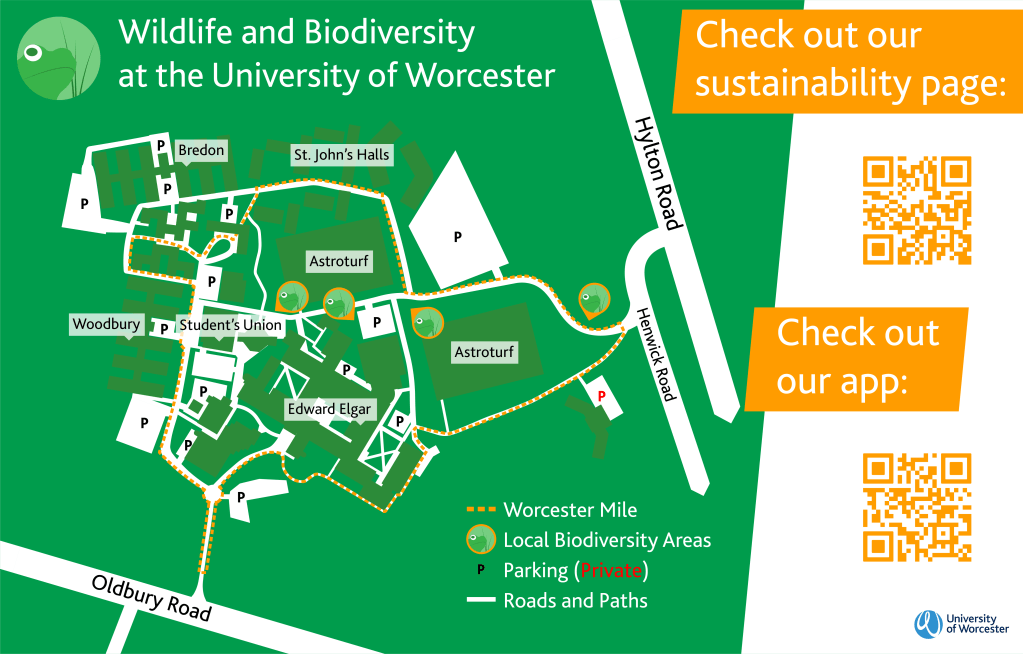
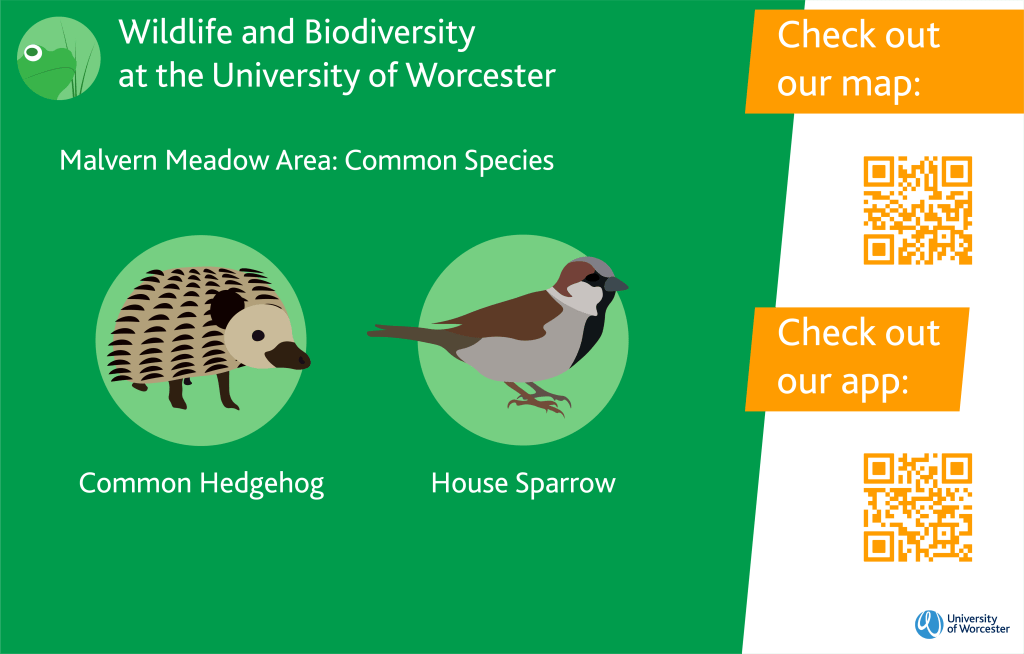
After a period of thought I decided that it would make greater sense to take the style of the map, board, and apps to match or at least relate to the signage currently used by the University of Worcester. Ont the University website I was able to find the brand guidelines, used to maintain consistency in media published by the University and it’s associates, as well as the typefaces used on all official signage. However, I personally find that the bold blue colours described by the guidelines are too corporate and don’t stir Eco-friendly values as well as green would.

Malvern Meadow: Initial Research

Footpaths and Signage

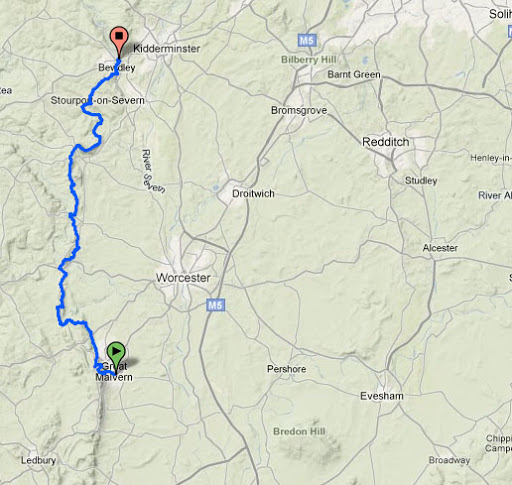
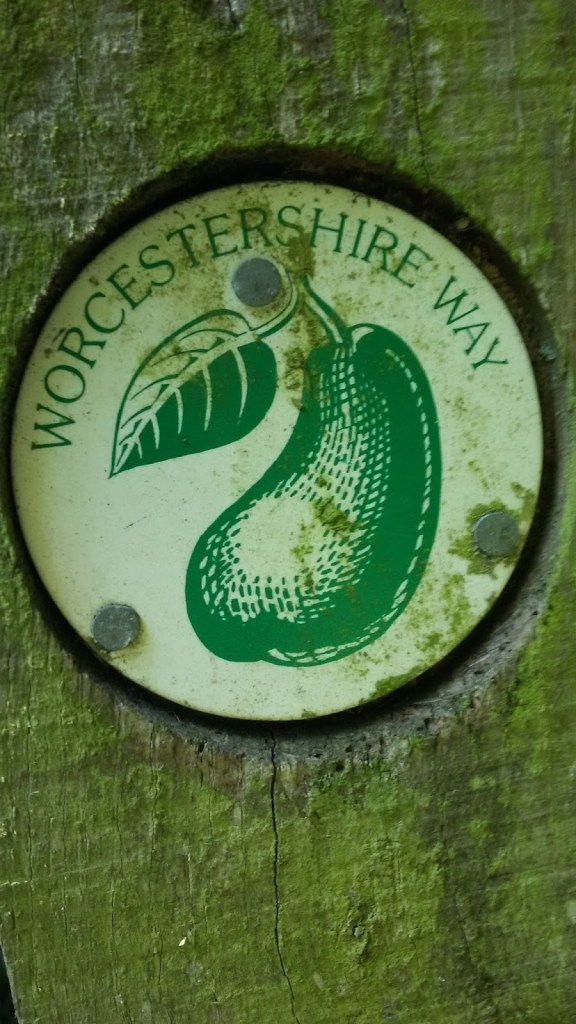
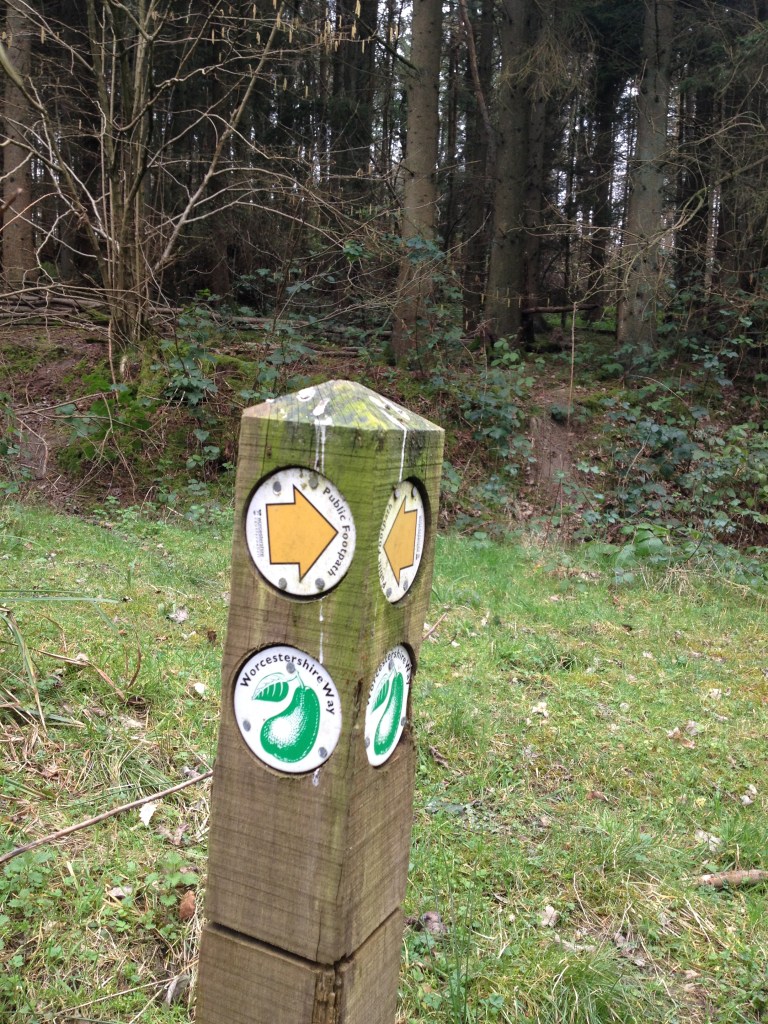
As an avid hiker maps, footpaths and signage are nothing new to me. On every style, gate or entry on any British National Footpath can you find some kind of symbol or icon designed to guide hikers across either muddy or livestock filled fields. Even our local Worcestershire Way, Bewdley to Great Malvern, has it’s own route markers, a green pear on a white background surrounded by ‘Worcestershire Way’ in an arc. Sometimes these signs are rotated such that the top of the marker is pointed in the direction of the next style or signpost, otherwise the signpost is shared by a public footpath marker positioned in this way with the aforementioned sign the right way up.

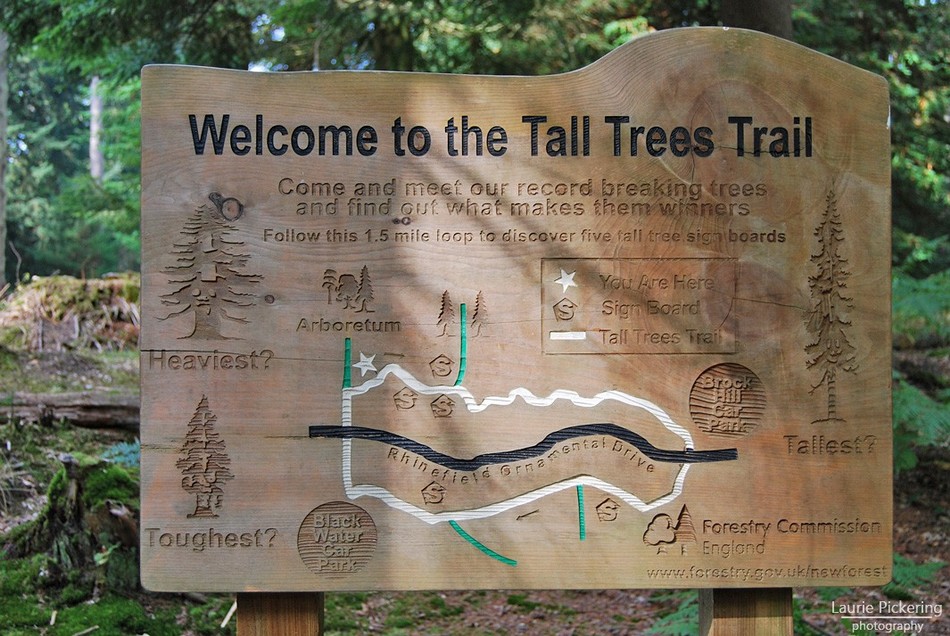
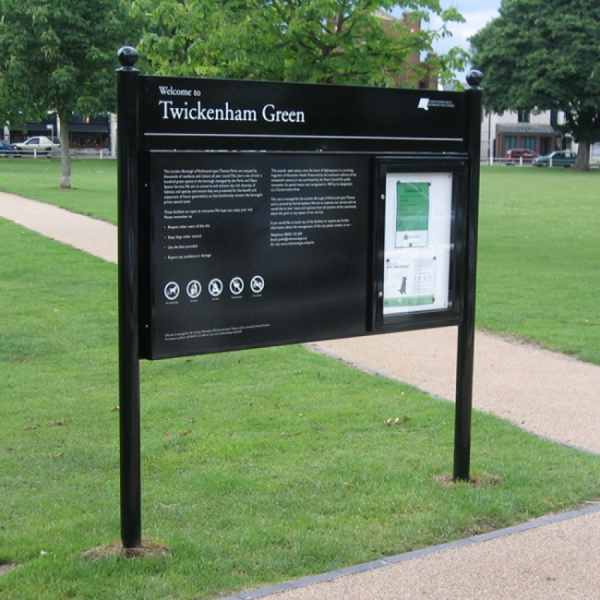
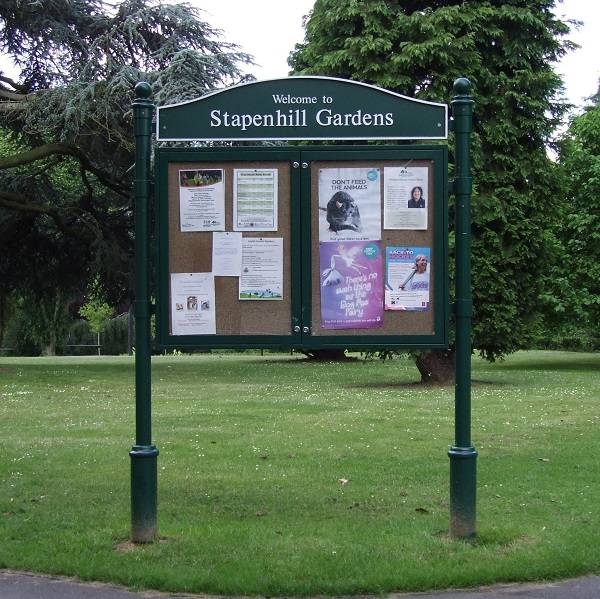
Also common footpath furniture is maps and information boards, which can sometimes be found at particular sites of historical or geographical significance or at the start or end of walks. These boards are often simple in nature: either carved wood; weather resistant and low ecological cost however often higher in economical cost, plastic or metal printed signs; similarly weather resistant though often lighter, cheaper economically but at higher ecological cost, or windowed displays; often cork-board stapled with printed documents within it’s enclosure, probably the cheapest but with higher upkeep costs due to less resistance to weather or vandalism.

From left to right , sources:
https://www.ldwa.org.uk/ldp/members/show_path.php?path_name=Worcestershire+Way
http://blackpearwalkingtours.com/the-walks/the-worcestershire-way
http://backtothewildpct.blogspot.com/2016/11/the-worcestershire-way-uk.html
http://www.newforest-national-park.uk/blackwater.html
https://michellecollins.org/2014/03/20/the-worcestershire-way/
https://www.fwdp.co.uk/signage/notice-boards/product/richmond-combination-display
https://www.fwdp.co.uk/signage/notice-boards/product/cavalier-notice-board-with-header

Home Task 4

Research for Malvern Meadow Project.

In my solution for this project I have decided to focus on a more dynamic style featuring a much more natural appearance than what I would normally design, a more ‘robust’ and modernist style with strong primary colours, though for this project I want to break my norm, use greens, yellows and blues but in a more de-saturated form, to be less intrusive and calming.

The dynamic aspect of my plan is to consider how I expect people to interact with my design and how to best inform them while allowing them to enjoy themselves, this is especially important when you consider who mainly would be looking at these maps and guides: students and staff, individuals that may be stressed with their workload and wish to relax their mind and enjoy nature.

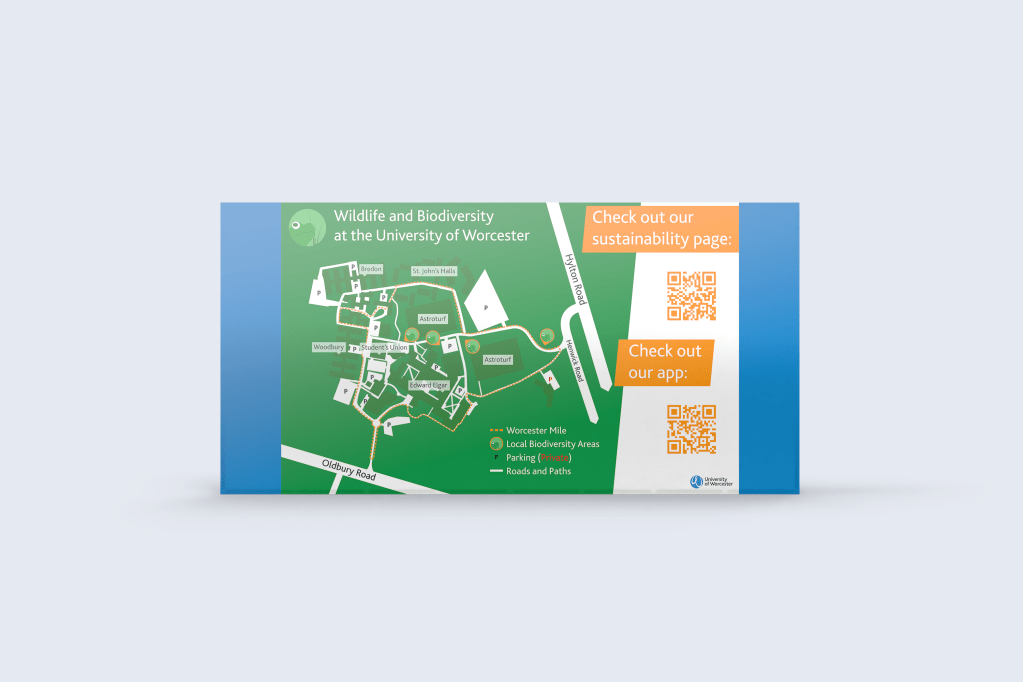
Within this project I am expected to create an information board, preferably featuring some examples of the bio-diversity featured on the route with a map, along with a sheet that would be found at the university reception that would outline the flora and fauna that can be found along the route as well as two mock-ups for a phone app guide as an alternative or for extended information on areas along the route.

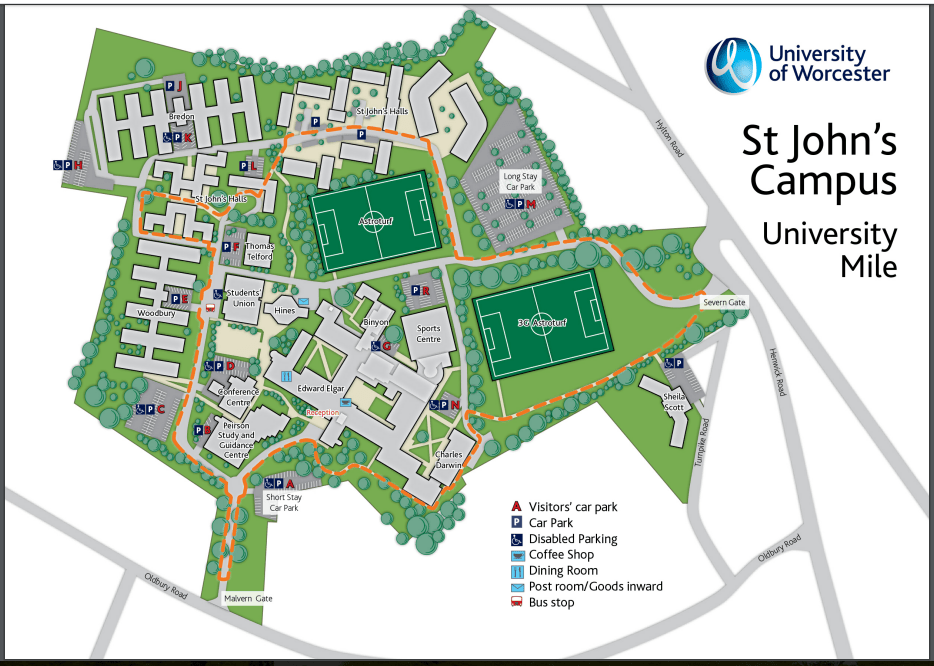
Below is the route that these articles with present this information.

The University Mile at Saint John’s Campus
Design a site like this with WordPress.com
Get started